
Case Studies

Managing Patient Anxiety in Clinical Settings
An interactive Rise 360 module applying social-emotional learning to support patient communication and decision-making in healthcare settings.
The Problem
Healthcare professionals often receive strong clinical training but limited support for managing patient anxiety and emotional interactions, which can impact communication and patient trust.The Audience
Healthcare professionals and clinical staff navigating high-stress, patient-facing situations.
The Solution
An interactive module built in Articulate Rise 360 that applies social-emotional learning (SEL) to strengthen communication and decision-making through realistic scenarios.
My Process
Identified gap between clinical skills and interpersonal communication
Applied SEL competencies to guide design
Transformed instructor-led content into interactive eLearning
Developed in Rise for accessibility and usability
Key Features
Scenario-based learning
SEL integration (empathy, self-awareness)
Reflection prompts
Microlearning structure
Outcome & Reflection
Demonstrates my ability to design human-centered, healthcare-relevant learning. Future iterations would incorporate branching scenarios in Articulate Storyline 360 for deeper decision-making.
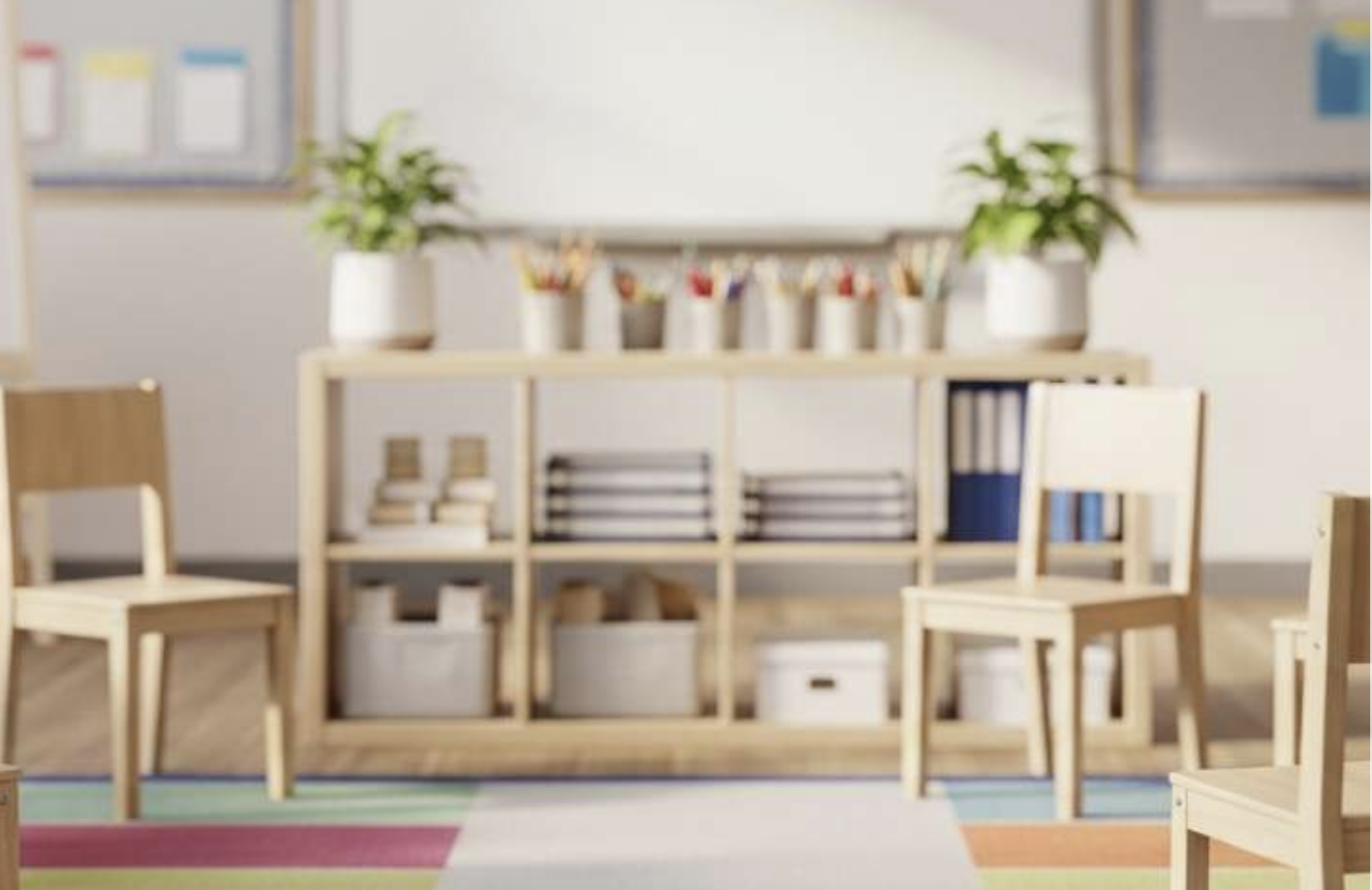
Responsive Classroom Course: Designing for Practice, Not Just Knowledge
An interactive eLearning course designed to help educators apply Responsive Classroom practices through scenario-based, real-world decision-making.
The Problem
Teachers often understand Responsive Classroom strategies conceptually but struggle to apply them consistently in real-time classroom situations.The Audience
K–8 educators seeking practical, actionable strategies to integrate social-emotional learning into daily instruction.
The Solution
A scenario-based course that immerses educators in authentic classroom moments, allowing them to practice decision-making aligned to Responsive Classroom principles.
My Process
Structured the course using an Engage → Explore → Apply → Reflect learning model
Designed realistic classroom scenarios to mirror authentic teaching challenges
Reduced cognitive load by chunking content into concise, digestible sections
Incorporated reflection prompts to support transfer to classroom practice
Key Features
Scenario-based learning with multiple decision points
Immediate feedback tied to instructional reasoning
Clear progression from concept to application
Integration of SEL and academic instruction
User-centered design focused on clarity and engagement
Outcome & Reflection
This course supports educators in translating theory into practice while reflecting my focus on designing learning experiences that prioritize application, engagement, and real-world transfer.